Balancing Human Touch with Digital Innovation in Multiplayer Game Creation
- 0
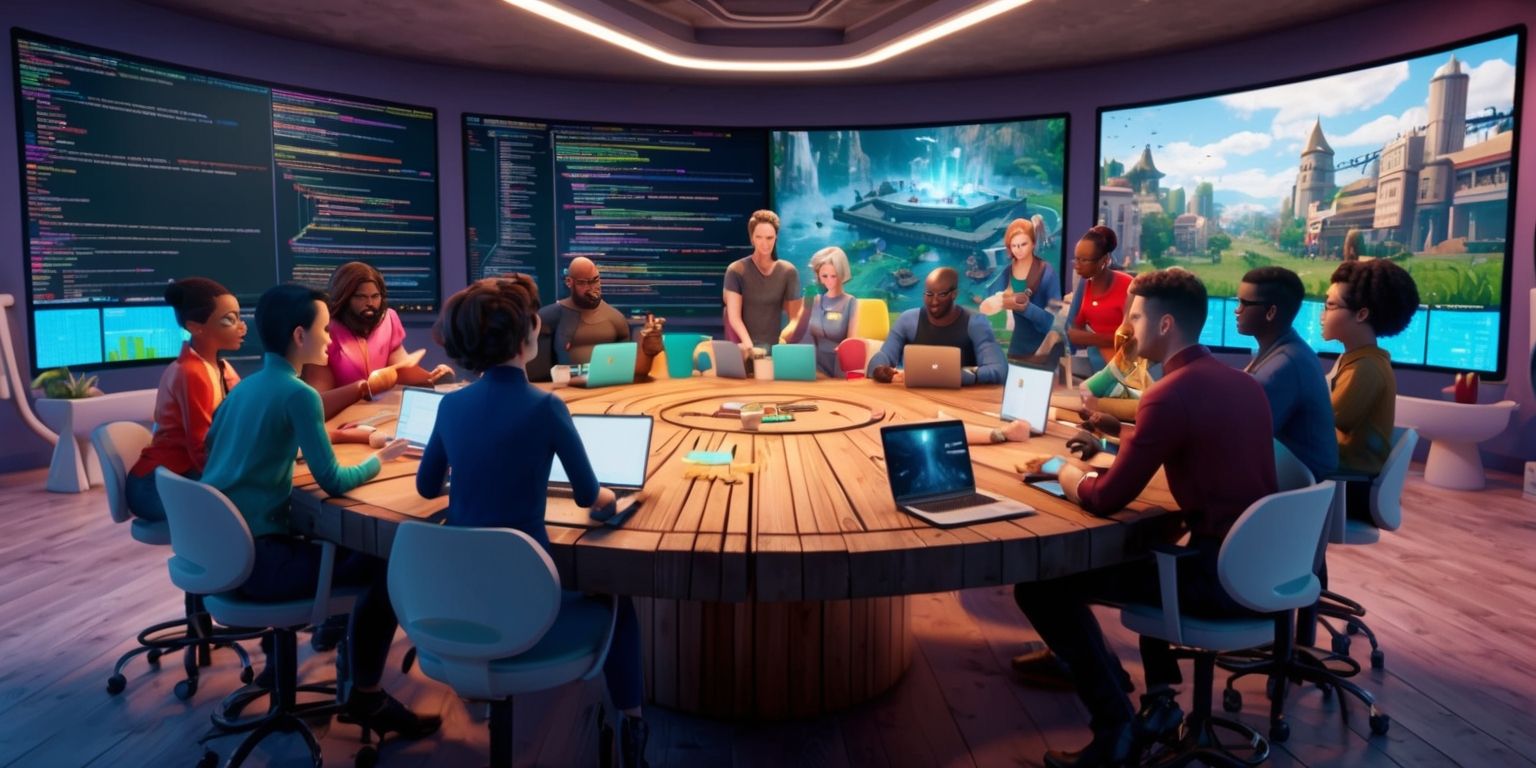
The sensation of fully plunging into an environment teeming with dynamic energy.… multiplayer universe can stir emotions as deep as those felt during legendary adventures of the past. This game offers a blend of heart-pounding gameplay and innovative mechanics that remind one of previous epic journeys while charting new territory through technology. The thrill of unpredictable scenarios and the undeniable charm of community-driven narratives blend together to create a sensation that strikes a chord with both veteran players and newcomers alike alike. Amidst this excitement, there lies a discourse on the evolving methods used in game production—a conversation that touches on ethics, creativity, and the very nature of creative expression in the modern digital era.
Emotional Depth in Player-Driven Journeys
The gaming world has long celebrated titles with transformative multiplayer experiences that evoke both nostalgia and futuristic wonder. In this expansive world, narratives are not scripted by a lone authority but rather co-created by each player’s spontaneous actions during shared adventures. This game captures that spirit, combining intricate mission designs with unpredictable teamwork where every encounter ignites a new thread in a tapestry of digital camaraderie. The element of surprise and personal input meets advanced gameplay mechanics to elevate the overall emotional depth. The interactive quests and emergent storytelling ensure that every session feels as unique as it is challenging, inviting players to immerse themselves in a living, breathing tapestry of social and tactical intricacy.
Nuances in Gameplay Mechanics and Immersive Action
At the epicenter of this experience resides a mix of adrenaline-fueled action and strategic thinking. In this environment, split-second decisions and cooperative endeavors are seamlessly intertwined, resulting in an interaction "that compels players to adjust on the fly.". The game design encourages participants to explore dynamic environments, where each nuance plays a role in a bigger picture narrative puzzle. This kind of emergent gameplay invites players to test their tactical wit while navigating complex scenarios that shift with each new encounter. Beyond the simple objectives of survival and mission completion, the game challenges individuals to work together creatively, constantly reevaluating strategies. The process "extends beyond a mere list of tasks, serving as an" immersive evolution that rewards ingenuity, teamwork, and well-honed reflexes.
Innovative Applications of Voice Synthesis Technology
This journey into digital realms is further marked by a controversial yet groundbreaking use of technology in audio production. The developers have adopted an approach where initial human performances are used as templates to train a system that generates dialogue on the fly. While this technique allows for continuous adaptation and expansion of in-game narratives, it prompts discussion over the role of genuine human emotion in artistic expression. The process taps into the rich tonality and nuances inherent in experienced actors’ work yet bypasses the traditional method of re-recording each new piece of content. By doing so, it seeks both efficiency and scale, while simultaneously raising questions about the preservation of an artist’s unique voice. The resulting synthesized dialogue, though impressively lifelike, sparks debate over authenticity versus convenience in digital storytelling.
Ethical Implications in the Use of Digital Voice Representations
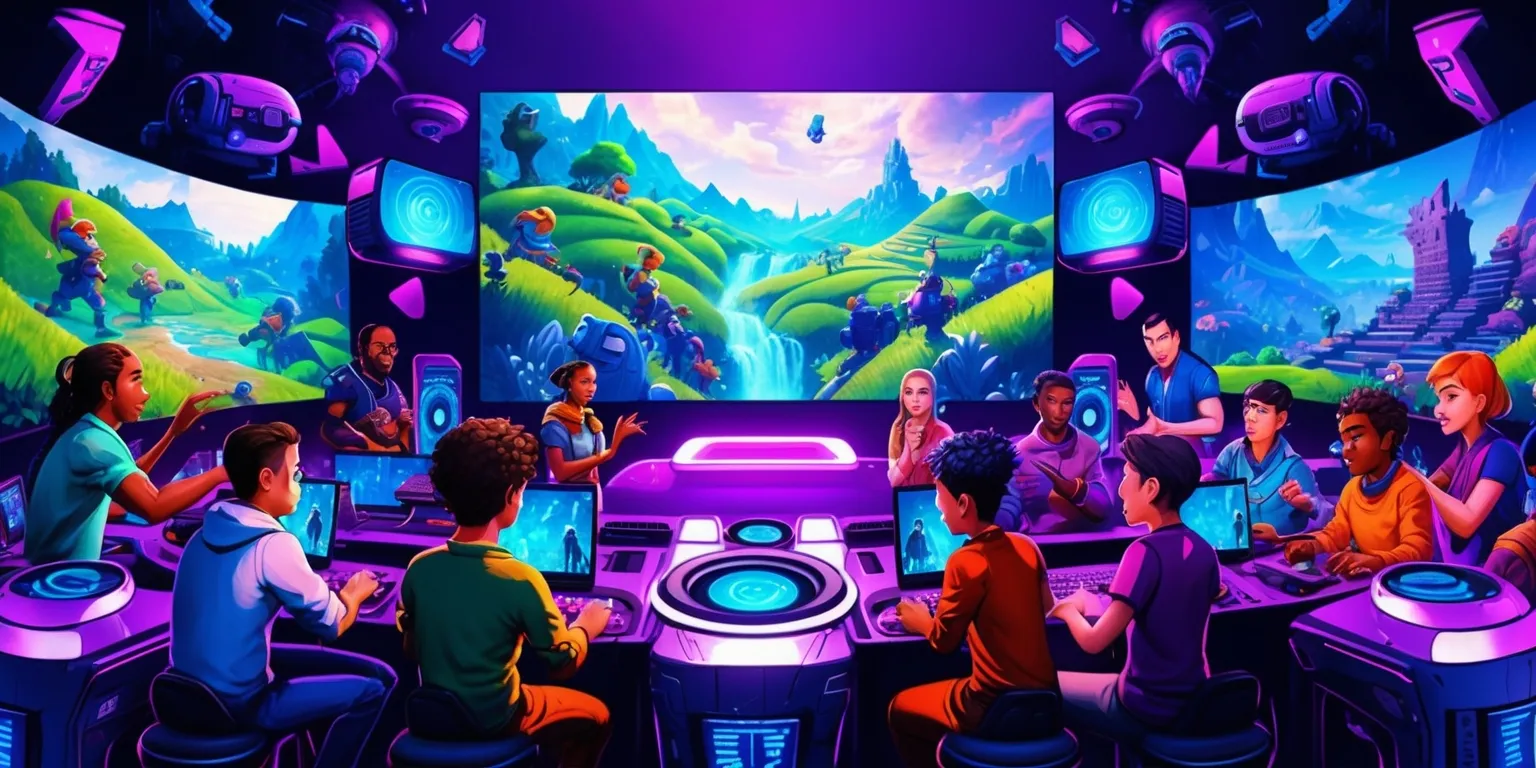
The use of synthetic voice technologies brings forth an array of ethical concerns. As studios continue to embed generative systems into their creative processes, questions arise about the true cost of automation on the human spirit of artistry. When voices originally performed with passion and precision give way to digitally reproduced counterparts, the very essence of performance art risks being diluted. Many passionate creators feel that such practices undermine the value of live expression and the painstaking labor behind each empathetic verbal delivery. This technological shift is more than a matter of efficiency; it challenges the integrity of creative labor and the recognition that every performance carries a piece of a human soul. In this light, the ethical debate extends beyond cost-cutting strategies into the realm of artistic respect and credit.
Technological Trade-Offs and Their Impact on Creativity
The integration of modern tools into the creative process presents a complex trade-off between innovation and the preservation of craft. While automating repetitive content creation opens up unprecedented possibilities for expansion, It further prompts doubts regarding the genuineness of the final product. This automated approach streamlines content production, reducing the time and monetary investments traditionally required. However, it risks generating material that, while technically proficient, may lack the nuance and passion characteristic of a fully human endeavor. The creative journey becomes one where the balance between technology's swift efficiency and the slow, meticulous process of artistic creation is constantly negotiated. This tension "serves as the pivotal element in how the" modern game industry is evolving—where the pursuit of progress and respect for the handcrafted tradition sometimes find themselves at odds.
Interplay Between Artistic Integrity and Digital Innovation
Diving deeper into the fabric of this production, one cannot ignore the dynamic interplay between artistic integrity and technological innovation. The visual and auditory elements of the game are in a constant state of evolution—where traditional craftsmanship is interwoven with digital techniques to produce striking results. The handcrafted visuals draw admiration for their conceptual depth and attention to detail, serving as a counterbalance to the automated voiceovers that punctuate the soundscape. This juxtaposition creates a dialogue among players, fostering appreciation for what retains the human touch while also acknowledging the practical benefits of digital augmentation. The result is a creative synthesis of methods that, despite inherent tensions, strives to push the boundaries of what interactive digital art can be.
Economic Drivers Behind Technological Shifts in Gaming
Behind every creative decision, economic considerations loom large, influencing the course of technological adoption. Financial pressures and the desire for efficiency have led several studios to embrace generative systems, which streamline content generation and reduce operational costs. By leveraging these tools, game creators can introduce new narratives and content more rapidly, ensuring that the game remains fresh and engaging. However, this drive for optimized production also carries a risk of devaluing the unique skill sets of individual artists and voice professionals. Such economic motivations prompt a larger discussion about how the overall wealth distribution in the creative industry may become skewed in favor of those who control the technology. This economic reality Infuses the discussion with an added layer of intricacy, blending lucrative business imperatives with the pursuit of genuine expressive art.
Crafting Visual Mastery Through Human-Centered Design
In stark contrast to the automated processes employed in voice synthesis, the visual artistry within this game remains a bastion of human creativity. Every element of the game's visual presentation, from its environmental textures to character details, has been meticulously hand-crafted by skilled artists. This human-centered approach to visual design is celebrated for its originality and depth, offering a tangible sense of authenticity in digital form. The work reflects a deliberate commitment to preserving artistic integrity, ensuring that every digital brushstroke carries the marks of intentional human vision. Such dedication to the art form enhances the overall immersive quality and connects directly with players who value the irreplaceable perspective of human craftsmanship. This synthesis of hand-drawn creativity and advanced technology creates a compelling digital canvas that resonates on multiple levels.
Industry Voices and Shifting Cultural Norms
The discussion surrounding automated creative processes is not isolated to a single title; it mirrors a broader cultural shift underway in the gaming and media industries. Prominent industry figures have openly discussed the potential of generative tools to revolutionize production, often emphasizing their efficiency and the inevitable nature of technological progress. Such statements, frequently emerging from executive tiers, are a stark reminder of the tension between rapid innovation and the preservation of human artistry. Some veteran creators lament that the unique spirit of personal expression is being overshadowed by algorithmic outputs. This narrative has sparked a vigorous debate among professionals, fans, and critics alike, challenging the industry to reconcile the practical benefits of automation with the timeless value of human creativity and passion.
Championing the Value of Authentic Expression
Deep within the discourse lies a passionate plea to preserve the foundational elements of authentic creative expression. For many, the art of game development is far more than merely a technical exercise; it is also a deeply personal form of storytelling that imparts unique emotional experiences to its audience. The automated replication of voice acting, though efficient, seems to miss the spirited nuances that only a live performance can offer. Advocates for traditional artistry stress that every spoken line is imbued with a layer of emotion, subtle intonations, and lived experience that cannot simply be replicated by a script. This insistence on maintaining creative authenticity calls for a collective rethinking of where technology should serve, rather than dictate, the narrative process. It is a call to remember that every asset in the game is ultimately an extension of its creators' identity and vision.
Reimagining the Future of Interactive Worlds
Amid the relentless transformation of the creative realm, a breakneck pace, the game stands as a case study in the reconciliation of human passion and technological advancement. Here, the integration of automated systems is seen not as a substitute for human talent, but as a tool that—if employed wisely—could serve to augment the creative process. Yet, within this framework lies an ongoing debate about the ideal balance between efficiency and the raw vibrancy of human expression. The game’s design invites players to witness and engage with this evolution firsthand, as real-time decisions and emergent storytelling merge with cutting-edge techniques. The discussion is both futuristic and reflective, emphasizing that while technology can undoubtedly elevate production, it must harmonize with the intrinsic value of the human experience to truly succeed in the realm of interactive art.